
 28 APR 2026
 7 MIN READ
 SARA ALAM

Influencer marketing works but most brands do it badly. Chasing follower counts, skipping proper briefs and failing to track results leads to campaigns that cost money and deliver nothing. Here's how to do it right.
 but most brands do it badly. Chasing follower counts, skipping proper briefs and failing to track results leads to campaigns that cost money and deliver nothing. Here's how to do it right.
1. FINDING THE RIGHT FIT
Follower count is the least important metric. What matters is audience alignment, engagement quality and authenticity. A micro-influencer with 5,000 genuinely engaged followers in your niche will almost always outperform a mega influencer with a passive, generic audience.
- Does their audience match your ideal customer?
- Is their content tone aligned with your brand?
- Do they have real engagement, not just likes?
- Have they successfully promoted similar products before?
2. SETTING CLEAR EXPECTATIONS
Ambiguity kills campaigns. Be explicit about deliverables, timelines, usage rights, approval processes and compliance requirements before any work begins. A short partnership agreement protects both parties and prevents the most common frustrations.


3. BRIEF PROPERLY
The best influencer briefs are directional, not dictatorial. Share your brand guidelines, key messages and campaign objective then let the creator do what they do best. Over-scripted content underperforms authentic content every time.
Trust the creator. You hired them for their voice don't write their script for them.
4. MEASURE WHAT ACTUALLY MATTERS
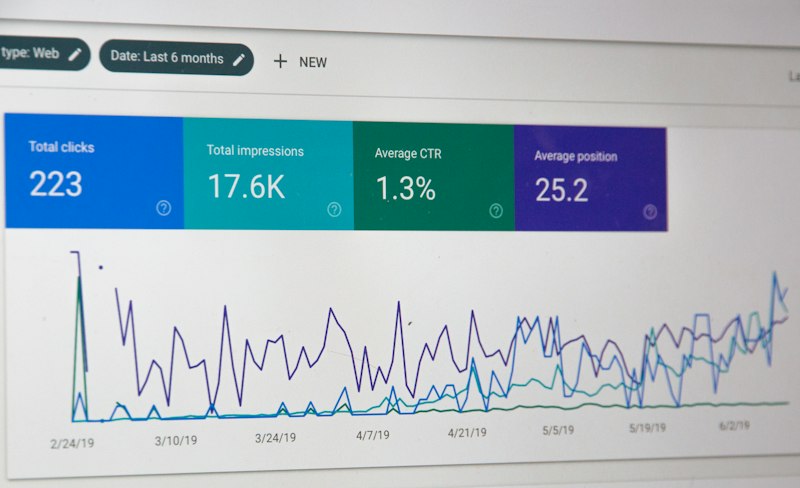
Define success before the campaign launches. Depending on your objective, you might track reach, engagement rate, link clicks, conversions or brand sentiment. Use UTM parameters, unique discount codes or dedicated landing pages to connect influencer activity to business outcomes.
5. THINK LONG-TERM PARTNERSHIPS
One-off posts rarely deliver the best results. Repeat collaborations build familiarity with the audience and authenticity with the creator. If a partnership works well, invest in making it longer-term the compound effect on brand recognition is significant.
Want help building an influencer programme that actually converts? Let's talk.